Bangladesh National Cricket Team Vs India National Cricket Team Match Scorecard
April 8, 2026
Table of Contents
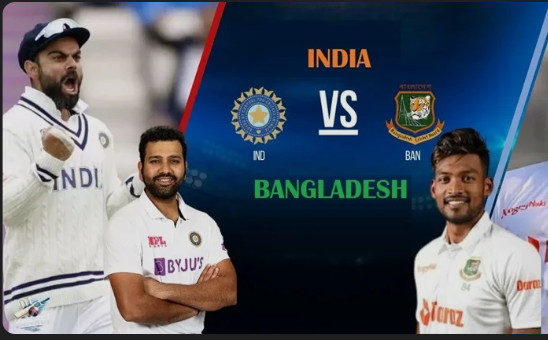
The Bangladesh National Cricket Team vs India National Cricket Team match scorecard is more than just numbers on paper, it is a story of evolution, belief, and rising competition. What began as a one-sided contest slowly transformed into a gripping rivalry filled with unforgettable moments, dramatic finishes, and emotional intensity. From early dominance by India to Bangladesh’s fearless rise, each match added a new chapter to this journey. Scorecards reflect not just runs and wickets but the pressure, tactics, and passion that define modern cricket. This rivalry now stands as a testament to how determination and growth can reshape the balance of power in international cricket.
Latest Matches
Tournament
Venue
Date
Toss
Bangladesh Score
India Score
Result
Series
Player of the Match
Men’s T20 Asia Cup
Dubai (DICS)
Sep 24, 2025
India (bat)
127 (19.3 overs)
168/6 (20 overs)
India won by 41 runs
Asia Cup 2025
Abhishek Sharma (IND)
ICC Champions Trophy
Dubai (DICS)
Feb 20, 2025
Bangladesh (bat)
228 (49.4 overs)
231/4 (46.3 overs)
India won by 6 wickets
ICC Champions Trophy 2025
Shubman Gill (IND)
Bilateral T20I
Hyderabad
Oct 12, 2024
India (bat)
164/7 (20 overs)
297/6 (20 overs)
India won by 133 runs
Bangladesh tour of India T20I
Sanju Samson (IND)
Bilateral T20I
Delhi (Arun Jaitley)
Oct 9, 2024
India (bat)
135/9 (20 overs)
221/9 (20 overs)
India won by 86 runs
Bangladesh tour of India T20I
Suryakumar Yadav (IND)
Bilateral T20I
Gwalior
Oct 6, 2024
Bangladesh (bat)
127 (19.5 overs)
132/3 (11.5 overs)
India won by 7 wickets (DLS)
Bangladesh tour of India T20I
Arshdeep Singh (IND)
T20 World Cup
North Sound
Jun 22, 2024
India (bat)
146/8 (20 overs)
196/5 (20 overs)
India won by 50 runs
T20 World Cup 2024
Suryakumar Yadav (IND)
Test
Kanpur
Sep 27–Oct 1, 2024
India (field)
233 & 146
285/9d & 98/3
India won by 7 wickets
Bangladesh tour of India Test
Jasprit Bumrah (IND)
All-Time Head-to-Head Record
Format
Matches Played
India Won
Bangladesh Won
Draw / Tie / No Result
Test
15
13
0
2 Draws
ODI
42
33
8
1 No Result
T20I
18
17
1
0
Overall
75
63
9
3
All-Time Batting Leaders
Rank
Player
Team
Matches
Runs
Average
Highest Score
100s / 50s
1
Sachin Tendulkar
IND
–
820+
–
248*
5+
2
Virat Kohli
IND
–
600+
–
204
2+
3
Mushfiqur Rahim
BAN
–
518
51.80
127
2 / 2
4
Rahul Dravid
IND
7
560
70.00
160
3 / 1
5
Rohit Sharma
IND
–
477+
–
–
–
All-Time Bowling Leaders
Rank
Player
Team
Matches
Wickets
Average
Best Figures
1
Zaheer Khan
IND
7
31
24.25
7/87
2
Ishant Sharma
IND
–
25
20.88
–
3
Ravichandran Ashwin
IND
6
23
–
6/137 (match)
4
Shakib Al Hasan
BAN
–
29+
–
–
5
Mustafizur Rahman
BAN
13
26
17.00
6/43
When It All Began: A One-Sided Start with Hidden Sparks
The early chapters of the Bangladesh National Cricket Team vs India National Cricket Team match scorecard tell a story that, on the surface, looked predictable but quietly carried the seeds of a future rivalry. When Bangladesh entered international cricket, India were already an established powerhouse with experienced players, deep batting lineups, and a strong bowling attack. Their first few encounters, especially in ODIs, reflected this gap clearly, with India comfortably winning matches and dominating the scorecards. Yet, beneath those numbers, Bangladesh showed glimpses of resilience and determination that could not be ignored. Young players fought hard, building small but meaningful partnerships and delivering disciplined spells that hinted at their potential. Even in defeat, their intent was visible, and fans could sense that this team was learning quickly. These early matches were not just about results but about Bangladesh gaining confidence, understanding pressure, and slowly preparing to challenge stronger teams. While India controlled the outcomes, the hidden sparks of competitiveness began to flicker, laying the foundation for a rivalry that would grow far more intense in the years to come.
Year
Format
Winner
Margin
Key Highlight
1988
ODI
India
9 wickets
Dominant batting display
1990
ODI
India
8 wickets
Strong bowling control
1998
ODI
India
5 wickets
Bangladesh showed fight
2000
Test
India
9 wickets
Bangladesh’s Test debut
2002
ODI
India
6 wickets
Improved Bangladesh performance
The Underdog Finds Its Voice
As the years progressed, the Bangladesh National Cricket Team vs India National Cricket Team match scorecard began to reflect more than just predictable outcomes, it started to capture a team finding its identity. Bangladesh were no longer stepping onto the field merely to participate; they were beginning to compete with intent and belief. Their performances in the early 2000s showed a noticeable shift, especially in ODI cricket, where they started challenging India in phases of the game. Improved batting partnerships, tighter bowling spells, and sharper fielding efforts signaled a growing confidence within the squad. Players began to take responsibility, building innings under pressure and showing patience against India’s experienced bowling attack. While victories were still rare, the margins started to shrink, and matches became more competitive. For India, these encounters required greater focus, as Bangladesh were no longer pushovers. The scorecards from this period reveal contests that were far more balanced than before, highlighting Bangladesh’s steady rise. This phase marked the beginning of a transformation, where belief replaced hesitation, and the underdog slowly found its voice on the international stage.
Year
Format
Winner
Margin
Key Highlight
2003
ODI
India
7 wickets
Bangladesh showed improved batting
2004
ODI
India
11 runs
Close contest under pressure
2005
ODI
Bangladesh
5 wickets
Historic win over India
2006
ODI
India
2 wickets
Nail-biting finish
2007
ODI
Bangladesh
5 wickets
Confidence before World Cup
From Occasional Upsets to Real Threat
After the shock of the 2007 World Cup, the Bangladesh National Cricket Team vs India National Cricket Team match scorecard began to reflect a rivalry that was no longer defined by rare surprises but by consistent competition. Bangladesh carried newfound belief into the following years, and it showed in how they approached every match against India. They were no longer intimidated by big names or high-pressure situations. Instead, they played with intent, pushing India deep into contests and forcing them to work harder for every win. Close finishes became more common, with matches often going down to the final overs. Bangladesh’s bowlers started executing plans with discipline, while their batters showed maturity in chases, building partnerships and handling pressure far better than before. India still had the edge in terms of experience and depth, but the gap had clearly narrowed. Scorecards from this period reveal tight margins, last-over thrillers, and moments where Bangladesh came within touching distance of victory. This phase marked their transition from an underdog capable of occasional upsets to a genuine threat that could challenge India across formats.
Year
Format
Winner
Margin
Key Highlight
2008
ODI
India
7 wickets
Controlled chase under pressure
2010
ODI
India
6 wickets
Bangladesh fought till final overs
2012
Asia Cup ODI
Bangladesh
5 wickets
Historic chase in high-pressure game
2014
ODI
India
47 runs
Competitive total defended tightly
2014
T20
India
8 wickets
Bangladesh showed attacking intent
The 2007 World Cup Shock That Changed Everything
The Bangladesh National Cricket Team vs India National Cricket Team match scorecard reached a turning point during the 2007 ICC Cricket World Cup, a moment that didn’t just surprise fans but completely rewrote the narrative of this rivalry. Played in the Caribbean, this group-stage clash saw Bangladesh deliver one of the biggest upsets in World Cup history. India, packed with stars and expectations, were bowled out for just 191, a total that looked competitive but far from commanding. Bangladesh approached the chase with fearless intent, as Tamim Iqbal’s aggressive 51 set the tone, while Shakib Al Hasan and Mushfiqur Rahim held their nerve under immense pressure. The scorecard told a story of composure, belief, and execution as Bangladesh chased down the target with five wickets in hand. For India, it was a crushing defeat that led to an early exit from the tournament, triggering intense criticism and reflection. For Bangladesh, it was a defining victory that announced their arrival on the global stage. This match transformed the rivalry, shifting it from predictable outcomes to genuine uncertainty and competition.
Team
Runs
Overs
Top Scorer
Best Bowler
India
191 all out
49.3
Sourav Ganguly 66
Mashrafe Mortaza 4/38
Bangladesh
192/5
48.3
Tamim Iqbal 51
Zaheer Khan 2/35
The 2015 World Cup Quarterfinal Controversy
The Bangladesh National Cricket Team vs India National Cricket Team match scorecard took a dramatic and emotional turn during the 2015 ICC Cricket World Cup quarterfinal, a match that is still discussed with intensity by fans of both sides. Played under immense pressure, India posted a strong total of 302 for 6, built around Rohit Sharma’s brilliant century that anchored the innings. Bangladesh, chasing a challenging target, showed intent early but struggled to maintain momentum against India’s disciplined bowling attack. However, the match became unforgettable due to a controversial umpiring decision involving a no-ball call that went against Bangladesh at a crucial moment. The incident sparked widespread debate, with fans and former players questioning the call and its impact on the game’s outcome. Emotions ran high, both on the field and off it, as Bangladesh felt a potential turning point was taken away. India eventually won comfortably, but the scorecard alone could not capture the tension, frustration, and lasting bitterness this match created. It added a new layer of rivalry, where competition was now mixed with controversy and heightened emotions.
Team
Runs
Overs
Top Scorer
Best Bowler
India
302/6
50
Rohit Sharma 137
Umesh Yadav 4/31
Bangladesh
193 all out
45
Shakib Al Hasan 44
Taskin Ahmed 3/69
Match Result
India won
By 109 runs
Key Moment
No-ball controversy
Venue
Melbourne
Format
ODI
Stage
Bangladesh’s Golden Generation Rises
The Bangladesh National Cricket Team vs India National Cricket Team match scorecard began to tell a very different story as Bangladesh’s golden generation stepped onto the big stage with confidence and consistency. This era was defined by the rise of players like Tamim Iqbal, Shakib Al Hasan, and Mushfiqur Rahim, who brought not just skill but belief and leadership into the side. These were no longer players hoping for moments; they were match-winners shaping outcomes. Tamim’s fearless starts at the top gave Bangladesh early momentum, while Shakib’s all-round brilliance often turned games in crucial phases. Mushfiqur, calm under pressure, became the backbone of many tense chases. Against India, their performances started reflecting in tighter scorecards and memorable contests, especially in bilateral series and multi-nation tournaments. Bangladesh began winning key matches, including historic series victories at home, proving their growth was no longer temporary. Their bowlers, led by disciplined seamers and clever spinners, complemented the batting unit perfectly. This generation didn’t just compete, they believed they could beat India consistently. The rivalry evolved into a battle of skill, temperament, and strategy, where Bangladesh stood tall as a confident and dangerous side.
Year
Format
Winner
Margin
Key Highlight
2015
ODI Series
Bangladesh
2-1
First series win vs India
2016
Asia Cup T20
India
1 run
Last-over thriller
2017
Champions Trophy
India
9 wickets
Dominant semi-final
2018
Nidahas Trophy
India
4 wickets
Final over drama
2019
World Cup
India
28 runs
Competitive high-scoring match
Bilateral Series Battles and Tactical Mind Games
The Bangladesh National Cricket Team vs India National Cricket Team match scorecard during bilateral series began to reflect a rivalry shaped as much by tactics as by talent. These were no longer straightforward contests decided by individual brilliance alone; they became battles of planning, execution, and nerve. Captains played a crucial role, adjusting field placements, rotating bowlers cleverly, and reading match situations with precision. India often relied on their deep batting lineup and experienced bowlers to control the tempo, while Bangladesh focused on disciplined bowling, especially in home conditions, where spin played a major role. Slow pitches, turning tracks, and passionate crowds in Dhaka added another layer of pressure for visiting Indian sides. Bangladesh’s strategy frequently revolved around building steady partnerships and then accelerating at the right moment, while their bowlers targeted key Indian batters with specific plans. These encounters saw frequent momentum shifts, where one good spell or a quick partnership could change the entire game. Scorecards from these series highlight close margins, strategic collapses, and well-planned chases. This phase of the rivalry proved that success was no longer just about talent but about who could think smarter and handle pressure better on the day.
Year
Format
Winner
Margin
Key Highlight
2015
ODI Series
Bangladesh
2-1
Spin attack dominated India
2016
T20 Series
India
2-1
Tactical bowling in death overs
2019
T20 Series
India
2-1
Balanced contest with close finishes
2022
ODI Series
Bangladesh
2-1
Home advantage used perfectly
2022
Test Series
India
2-0
Experience and depth prevailed
Conclusion
The Bangladesh National Cricket Team vs India National Cricket Team match scorecard today represents a rivalry that has matured into a competitive and unpredictable contest. While India still holds an edge in experience and depth, Bangladesh has proven its ability to challenge and win on big stages. Every match now carries anticipation, with fans expecting close finishes and standout performances. This rivalry is no longer about underdogs and favorites but about two teams pushing each other to perform at their best. As new players emerge and fresh battles unfold, this cricketing story continues to grow richer, promising even more thrilling encounters in the future.